Introduction to Hidden Safes
Hidden safes are discreet storage solutions designed to secure valuable items in an unobtrusive manner. They serve the primary purpose of safeguarding personal possessions such as important documents, jewelry, cash, and other valuables from theft or unauthorized access. Unlike traditional safes, which can draw attention due to their size and appearance, hidden safes are ingeniously designed to blend into their surroundings, thereby minimizing the likelihood of being discovered by potential intruders.
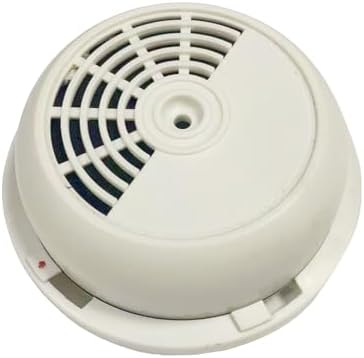
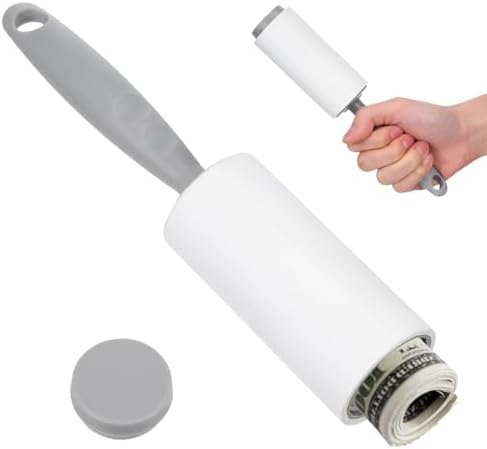
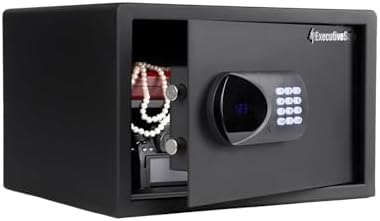
The growing demand for hidden safes can be attributed to increasing concerns regarding home security. As the frequency of break-ins and thefts rises, homeowners are becoming more vigilant and proactive about protecting their assets. These discreet safes allow individuals to store valuable items securely while maintaining the aesthetic appeal of their living spaces. Families often seek innovative ways to secure treasures, leading to the popularity of various models, including those disguised as everyday household items or integrated into furniture.
Moreover, the versatility of hidden safes makes them suitable for diverse environments, including residences, offices, and vacation homes. Homeowners can select from a wide range of designs and sizes, ensuring that their chosen solution fits seamlessly into their décor and does not compromise their living space. The need for customizable options has encouraged manufacturers to develop various types of hidden safes tailored to meet specific preferences and security needs.
As more homeowners prioritize discreet security measures, it is essential to choose a reliable manufacturer. The quality, durability, and design of hidden safes should be top considerations. Subsequently, understanding the leading manufacturers of hidden safes in the United Kingdom will help consumers make informed decisions, ensuring their valuables are protected effectively.
Key Players in the UK Hidden Safe Market
The hidden safe market in the United Kingdom comprises several key players, each offering unique products designed for security and discretion. One of the most notable manufacturers is Chubb Locks, a subsidiary of Chubb Fire & Security, known for its long-standing tradition in security solutions. Established in 1818, Chubb has built a reputable name synonymous with reliability. Their range includes hidden safes that are designed with advanced security technology and discreet appearances, catering to both residential and business needs.
Another leading manufacturer is Burton Safes, which has over 30 years of experience in the industry. Burton Safes offers a diverse selection of hidden safes that encompass various models to suit different security requirements. Notably, their products feature robust materials and innovative locking mechanisms that enhance the level of protection provided. Burton’s commitment to quality and customer service has solidified its position as a trusted name in the UK market.
Yale, an iconic brand known globally, has also made significant strides in the hidden safe market. With a history dating back to 1840, Yale combines traditional craftsmanship with modern technology, creating safes that are both functional and stylish. Their hidden safes feature easy-to-use electronic locks, providing convenience without compromising security. Yale’s focus on innovation and customer satisfaction continues to drive its success in the UK hidden safe sector.
Lastly, Secure-It should be noted for its specialized hidden safes designed specifically for the UK market. The company prides itself on a customer-centric approach, offering personalized solutions tailored to specific user needs. Secure-It’s hidden safes are known for their unique designs and robust protection, making them ideal for homeowners and businesses seeking discreet storage solutions.
Understanding these key players helps potential buyers navigate the varied landscape of hidden safes in the UK, ensuring they make informed decisions regarding their security needs.
Quality and Security Standards in Manufacturing
When examining the market for hidden safes in the United Kingdom, it is essential to consider the quality and security standards upheld by reputable manufacturers. These standards not only ensure the reliability of the product but also play a crucial role in enhancing user confidence in securing valuable possessions. Leading manufacturers adhere to various industry certifications and testing protocols that guarantee the effectiveness of their products in real-world scenarios.
One of the key certifications that reputable manufacturers seek is the EN 1143-1 certification, which relates to the burglary resistance of safes. This standard assesses the safe based on its ability to withstand forced entry attempts using various tools. Manufacturers that achieve this certification have undergone rigorous testing, making their products more appealing to consumers who prioritize security. Additionally, some manufacturers pursue certifications like the UL (Underwriters Laboratories) rating, which focuses on fire resistance and overall durability, ensuring that a hidden safe can withstand various environmental challenges.
In terms of materials, manufacturers of hidden safes commonly utilize high-grade steel, reinforced composites, and specialized locking mechanisms to elevate security features. The use of durable materials coupled with advanced manufacturing techniques results in safes that can resist tampering and unauthorized access. The integration of smart technology, such as biometric locks and digital keypads, has also gained traction in the industry, offering consumers added layers of security while maintaining accessibility.
Furthermore, advancements in technology have led to innovative manufacturing processes that improve the overall effectiveness of hidden safes. As the demand for security increases, so too does the commitment of manufacturers to innovate and refine their production methods. By consistently evaluating and adhering to high-quality standards, manufacturers not only uphold their reputation but also contribute to a safer environment.
Customer Reviews and Feedback
When evaluating hidden safes, customer reviews and feedback play a crucial role in helping prospective buyers make informed decisions. Many customers in the United Kingdom have shared their experiences regarding various manufacturers of hidden safes, providing insights into product quality, effectiveness, and customer service. An analysis of these reviews reveals several common themes that highlight both strengths and weaknesses across various brands.
First and foremost, many users appreciate the innovative designs of hidden safes. Customers often express satisfaction with products that blend seamlessly into their surroundings, such as those disguised as ordinary household items. This feature not only enhances security but also adds to the aesthetic appeal of home décor. Positive feedback frequently mentions the effectiveness of these safes in preventing unauthorized access, confirming that manufacturers have successfully delivered on the promise of security.
However, some reviews also point to weaknesses in specific brands. Several users have reported issues relating to the durability and mechanical reliability of certain hidden safes. Problems such as malfunctioning locking mechanisms or inadequate space for storage have been noted, causing frustration among buyers. Additionally, customer service experiences vary widely; some manufacturers receive praise for responsive and helpful support, while others face criticism for unhelpful or delayed communication. Warranty offerings are also a topic of concern; several customers feel that a more robust warranty would enhance their confidence in the product’s longevity.
Ultimately, analyzing customer feedback about hidden safes in the UK reveals essential insights about various manufacturers. Potential buyers are advised to consider these user experiences critically to select a hidden safe that meets their individual needs, balancing factors such as design, security, and customer service before making a purchase. This careful evaluation can guide prospective customers toward a product that aligns with their expectations and requirements.